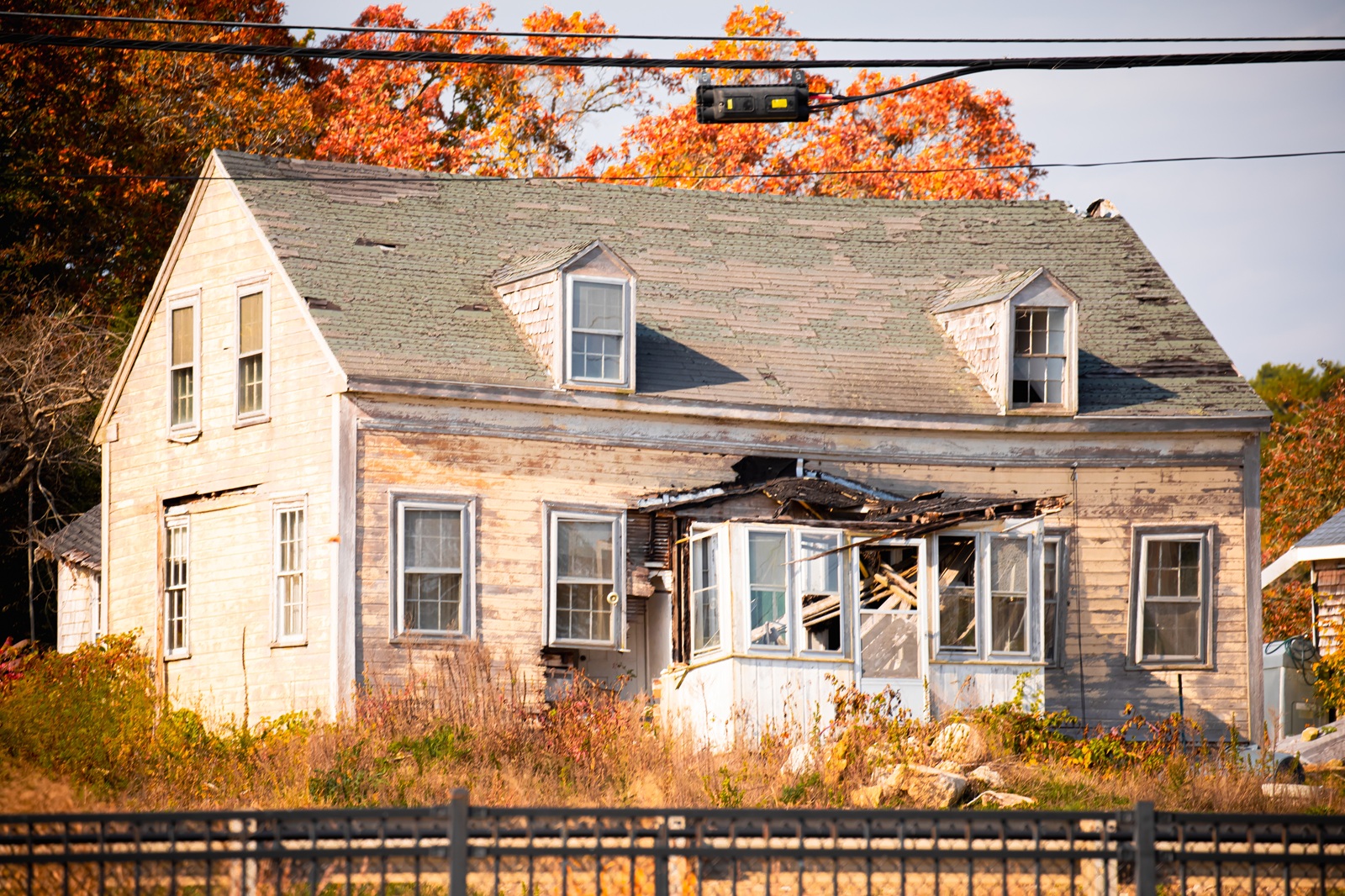
Inheriting a property is one of the most emotionally complex financial situations a family navigates. There is grief. There are relationships under strain. There are practical decisions that need to be made on a timeline that has nothing to do with how you feel. And underneath all of it is a house that may need maintenance, may have contents that need sorting, and may be carrying costs every month it goes unaddressed.
This guide is for families dealing with inherited properties in Jacksonville, Orange Park, Fleming Island, Middleburg, and throughout Northeast Florida. We cover what Florida probate actually involves, when it can be avoided, how to sell once you have the legal authority to do so, and why many families choose a cash sale to close this chapter with as little additional stress as possible.
Does the Property Have to Go Through Florida Probate?
This is the first question most families ask, and the answer depends entirely on how the property was titled when the owner died. Not every inherited property requires full probate. Understanding the title situation is the critical first step.
When Probate Is Required
If the property was owned solely in the deceased person’s name with no designated beneficiary mechanism, it will need to pass through the Florida probate process before it can be sold. This is the most common situation for older homeowners who purchased decades ago without updated estate planning.
When Probate Can Be Avoided
Several titling structures in Florida pass property directly to beneficiaries without probate court involvement:
- Joint tenancy with right of survivorship: The surviving joint owner takes full title automatically. A certified death certificate filed with the Duval County Clerk updates the public record.
- Florida Lady Bird deed (enhanced life estate deed): The property passes to named beneficiaries at death, bypassing probate entirely. These were relatively common in Florida estate planning and are worth checking for.
- Revocable living trust: If the property was held in a trust, the successor trustee can sell the property according to the trust terms without court involvement.
- Tenancy by the entirety (married couples): Operates similarly to joint tenancy for married couples; surviving spouse takes full title.
Florida Summary Administration
If the estate qualifies, Florida’s simplified probate process called summary administration may apply. Under Florida Statute 735.201, an estate may qualify for summary administration if either the decedent has been dead for more than two years or the gross estate subject to administration is not more than $75,000. Summary administration is significantly faster and less expensive than formal administration.
What Full Florida Probate Looks Like
For estates that require formal administration, the process involves petitioning the circuit court to open the estate, appointing a personal representative (what Florida calls the executor), inventorying assets and liabilities, notifying creditors, and ultimately distributing assets to beneficiaries after debts are resolved.
The personal representative receives Letters of Administration from the court, which is the legal authority to act on behalf of the estate, including selling real property. You cannot close a real estate sale without proper legal authority to sign on behalf of the estate. Many families discover this when they want to sell and realize the documentation is not yet in place.
Timeline varies significantly. An uncontested estate with clear documentation can move through formal administration in as little as six to nine months in Duval County circuit court. Contested estates, missing heirs, unclear titles, or administrative backlog can extend that to two years or more. An experienced Florida probate attorney can give you a realistic assessment for your specific situation.
Selling the Property Before Probate Is Closed
One common question is whether the property must wait until probate is fully closed before it can be sold. In many cases, the answer is no. Once the personal representative has been appointed and received Letters of Administration, they may have the authority to sell estate property, depending on the terms of the will and whether court approval of the sale is required.
Some wills grant the personal representative broad powers to sell without court approval. Others require a petition and court order for each transaction. A Florida probate attorney can confirm what your specific estate documents require. We work with probate sales regularly and are familiar with coordinating around these requirements.
If you are managing an estate and want to understand your options, call us before you have all the paperwork finalized. Many families find it helpful to know what the property is worth and what the process looks like before the legal authority is in place.
The Practical Reality of an Inherited Jacksonville Property
Beyond the legal process, inherited properties present practical challenges that add to an already heavy emotional load.
The Contents
A lifetime of belongings may be in the home. Furniture, personal effects, paperwork, collections, tools, clothing, sentimental items. Families typically need time to sort through what to keep, donate, or discard. A traditional real estate listing requires the home to be largely cleared and presented as a neutral space for buyers. That means organizing a cleanout before the listing, which is a project in itself.
We buy homes with contents. Take what matters to your family. What is left at closing stays with the property and becomes our responsibility. There is no rush to clear the house before we close, and no charge for whatever is left behind.
The Condition
Older homeowners frequently deferred maintenance over their final years in a property. An inherited home in Jacksonville may have a roof that has not been replaced in 20 years, original HVAC systems, galvanized or polybutylene plumbing, and cosmetic updates that have not been touched since the 1980s. Traditional buyers and their lenders will flag these items. We do not require repairs or updates before purchasing. The condition is reflected honestly in our offer.
Multiple Heirs
When a property is inherited by multiple beneficiaries (siblings, for instance), all parties with an ownership interest must agree to and sign off on the sale. This can be emotionally complicated when heirs have different opinions about timing, whether to sell at all, or what an acceptable price looks like. We cannot help resolve family disagreements, but we can be patient with a process that requires time for consensus to form. We have no interest in pressuring grieving families into decisions they are not ready to make.
Managing an Inherited Property in Jacksonville? Call 904-773-7355 for a Gentle, No-Pressure Conversation.
Frequently Asked Questions About Inherited and Probate Properties in Jacksonville
Can I sell an inherited Jacksonville property if probate is still open?
Possibly yes, depending on the terms of the will and whether court approval is needed. Once the personal representative has Letters of Administration, they may be able to list and sell the property. A Florida probate attorney can confirm what is allowed in your specific estate.
There is no will. How does the property transfer?
When someone dies without a will (intestate), Florida statute governs who inherits. For most estates, this means a spouse first, then children in equal shares. The property still passes through probate, and the court appoints an administrator to manage the estate. The process is similar but without the direction a will provides.
The estate has debts. Can we still sell the property?
Yes. Estate debts, including outstanding mortgages, property taxes, and other liens, are typically paid from the proceeds of the sale at closing. The net proceeds after debts are paid go to the beneficiaries. The personal representative coordinates this through the probate process and the title company.
I live out of state. Can this be handled remotely?
Yes. We work with out-of-state personal representatives and heirs regularly. The property walkthrough can be handled locally by us. Documents can be signed remotely or through a mail-away closing. We coordinate with you regardless of where you are located.
My siblings and I cannot agree on what to do with the property. What happens?
When heirs cannot agree, the estate may need to resolve the dispute through the probate court, including potentially a partition action that forces a sale. We recommend working with a Florida probate attorney to facilitate agreement among heirs before proceeding with any sale. We are patient with this process and will wait until the family has clarity.
Do we have to clean out the house before selling to you?
No. We buy homes with all contents in place. Family members should take personal items of sentimental or monetary value before closing. Whatever remains is our responsibility after closing. There is no cleanout requirement and no charge for contents left behind.
How long does a probate property sale take once we have legal authority?
Once the personal representative has Letters of Administration and we have completed our walkthrough, we can close in two to four weeks, subject to title work and whether court approval of the sale is required. If court approval is needed, add the time required to schedule and complete that petition.
What if the property has not been maintained and needs significant work?
That is the norm for inherited properties, not the exception. We buy homes in any condition. The deferred maintenance is factored honestly into our offer. You are not responsible for repairing or updating anything before closing.
We Work With Jacksonville Families Through Every Step of an Inherited Sale. Call 904-773-7355.
About the Author
Andrew Nebesnyk
Andrew is a Jacksonville real estate investor with a construction background who has personally closed 300+ transactions across Northeast Florida. He writes about selling houses, local market trends, and the life situations that lead homeowners to sell.