If the City of Jacksonville has tagged your property with a code violation notice, an unsafe structure designation, or a condemnation order, selling may feel impossible. It is not. A condemned or code-violating property can be sold, and a direct cash sale to a buyer equipped to handle it is the most realistic path forward. What you cannot do is sell it through a traditional listing to a buyer using a mortgage, because lenders will not finance a property that has been cited as unsafe or uninhabitable.
Jacksonville’s code enforcement activity is concentrated in specific neighborhoods and property types. Older single-family homes in the Northside, Westside, and parts of Arlington that have been neglected, left vacant, or partially renovated and then abandoned represent the most common situations we encounter. Inherited properties where the heirs live out of state and did not realize the extent of the deterioration are another frequent source. Whatever brought you to this point, the priority now is understanding exactly what the city has cited, what it means, and what options remain.
How Jacksonville Code Enforcement Works
The City of Jacksonville Code Enforcement Division operates under the umbrella of the Neighborhoods Department. Violations are initiated by complaint (a neighbor, a contractor, a utility company) or by proactive inspection in designated areas. When a violation is confirmed, the property owner of record receives a Notice of Violation (NOV) by mail at the address on file with the Duval County Property Appraiser.
If the NOV is not addressed within the specified compliance period, the case is referred to a Code Enforcement Special Magistrate hearing. At the hearing, fines are imposed, typically on a per-day basis retroactive to the original compliance deadline. Daily fines in Jacksonville can reach significant amounts for structural or unsafe structure violations, and they continue accruing until compliance is certified or the property is sold and the new owner addresses the citation.
Unpaid code enforcement fines become a lien against the property, recorded with the Duval County Clerk of Court. These liens appear on the title search at closing and must be resolved, either through payment or through negotiation with the City, before the title can transfer clean. This is not a theoretical obstacle. It is a standard title issue that a licensed Florida title company manages as part of the closing process.
The Difference Between a Code Violation, an Unsafe Structure Designation, and Condemnation
Code Violation
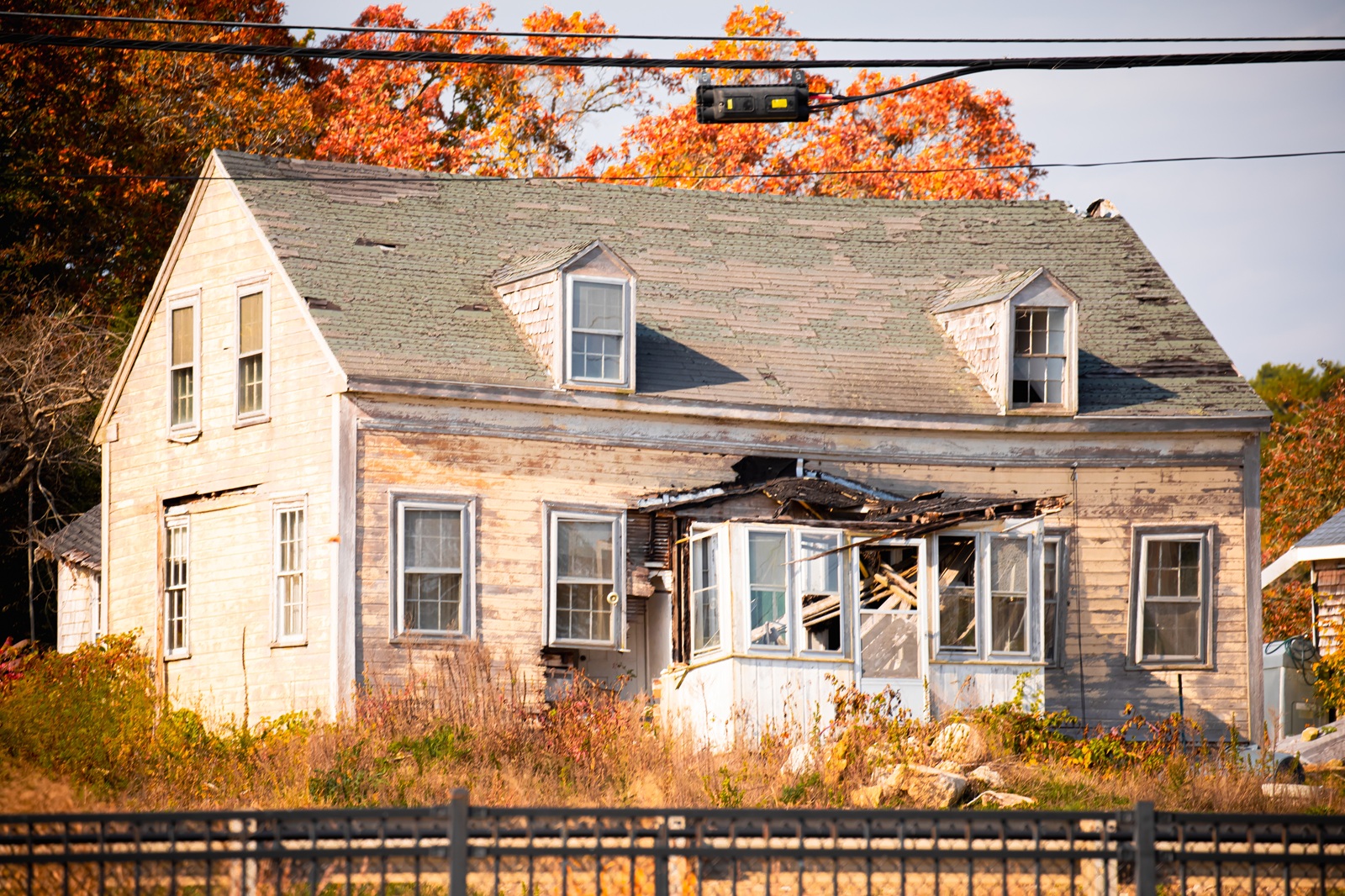
A code violation is a specific deficiency identified by an inspector: an unpermitted structure, overgrown vegetation exceeding ordinance height limits, inoperable vehicles on the property, missing handrails, broken windows, exterior deterioration that creates a nuisance, or similar conditions. Code violations range from cosmetic to structural, and the severity determines the compliance timeline and potential fines.
Unsafe Structure Designation
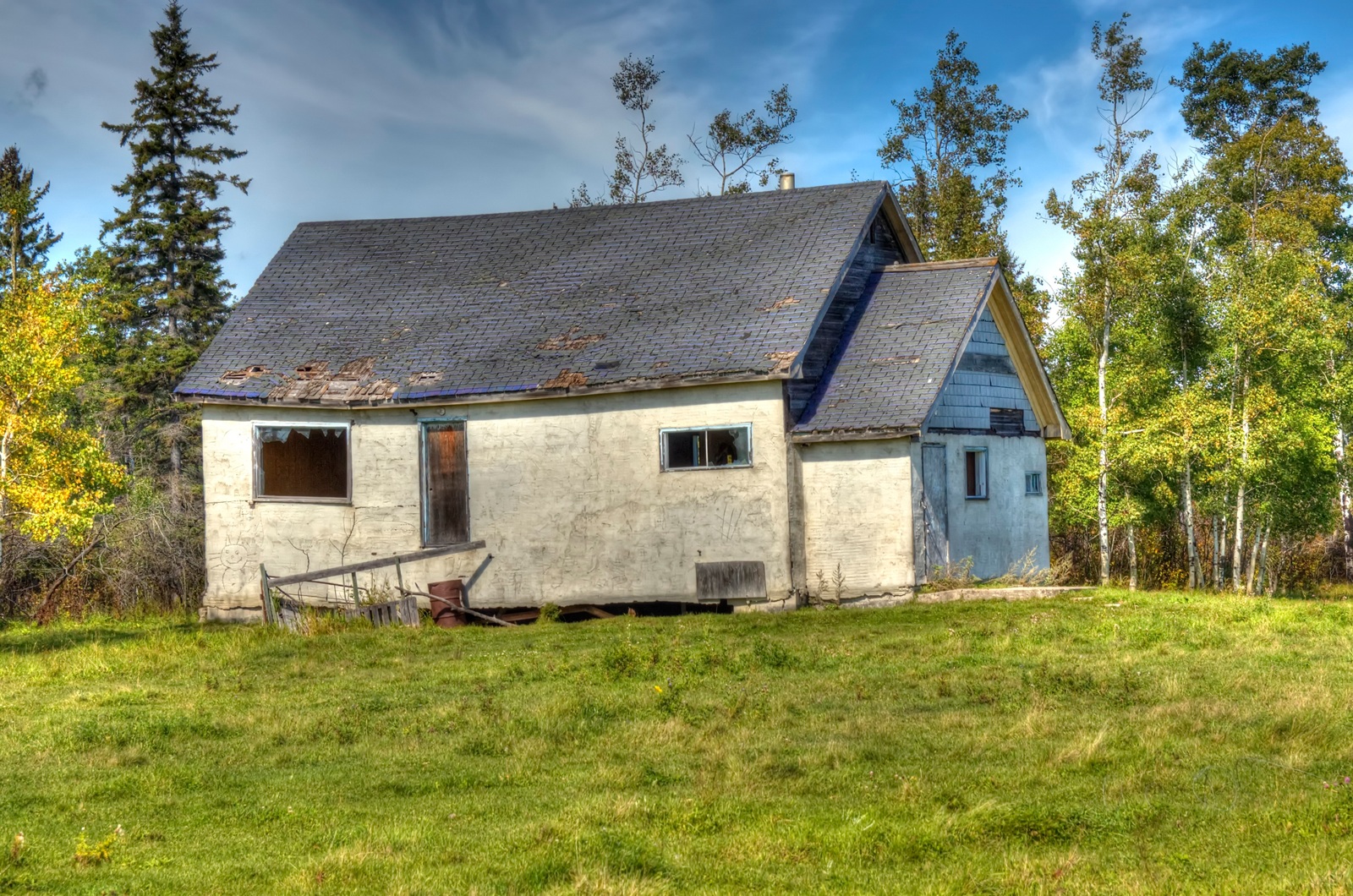
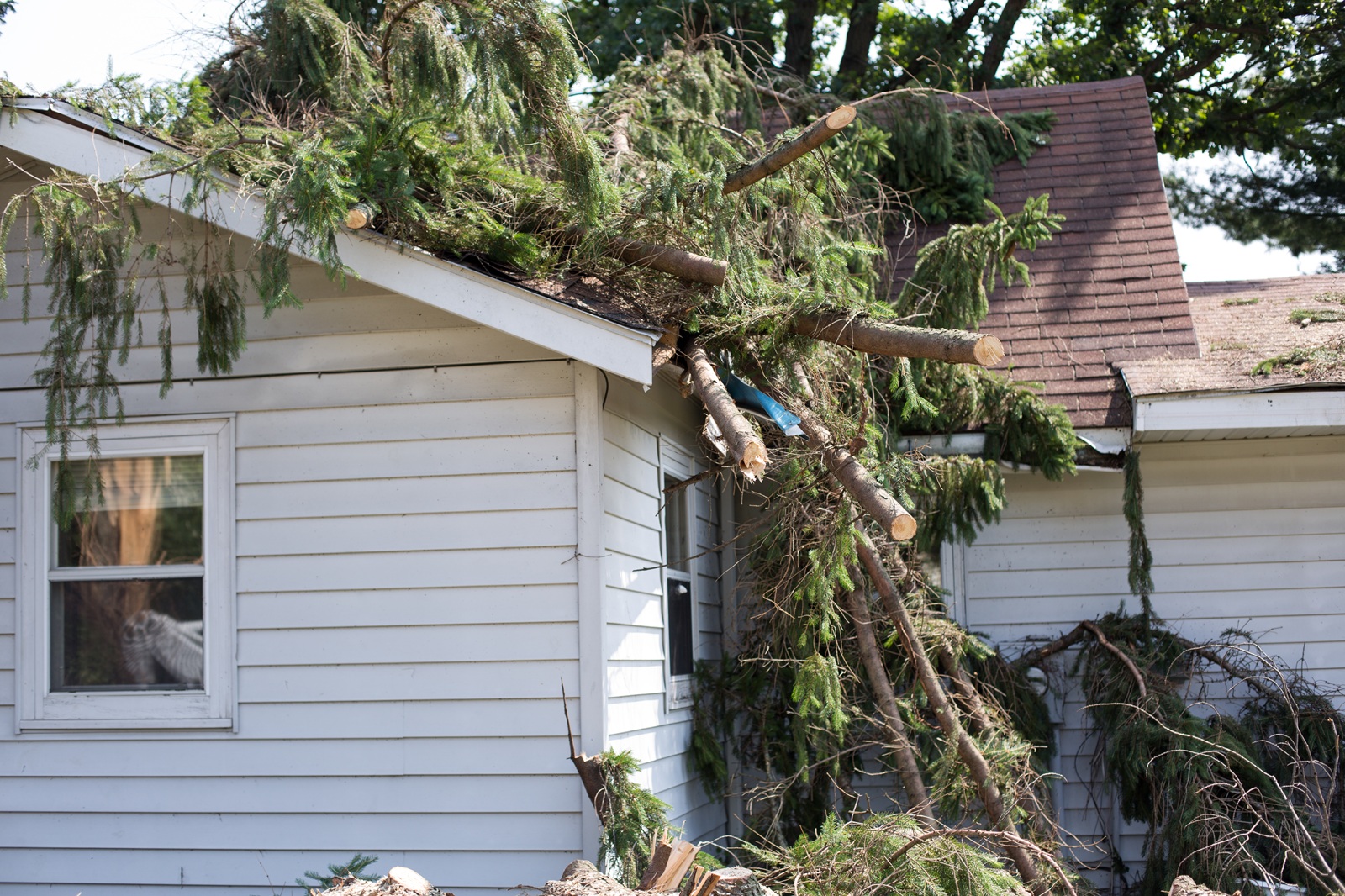
An unsafe structure designation is issued when the condition of a building creates a hazard to occupants or neighbors. Typical triggers include partial roof collapse, structural wall failure, fire damage that compromised the structural integrity, active water intrusion that has resulted in significant decay of load-bearing members, or a combination of deferred maintenance issues that collectively render the structure dangerous. An unsafe structure designation does not automatically mean the building must be demolished, but it means the building cannot be occupied in its current condition.
Condemnation and Demolition Order
Condemnation in the building code enforcement context means the structure has been declared unfit for human habitation and ordered vacated. A demolition order goes further: the city has determined the structure cannot be cost-effectively rehabilitated and has ordered it demolished. A demolition order does not mean the city will immediately tear the building down, but it means a clock is ticking toward either the owner demolishing it or the city doing so and billing the owner for the cost, which becomes another lien against the property.
The value in selling quickly is that the buyer takes on the responsibility of addressing the condemnation or demolition order. We buy condemned properties and properties under demolition orders. The value we offer reflects the land value and any salvageable structure value, minus the cost of addressing the city’s requirements.
Why Conventional Buyers and Lenders Cannot Help With Condemned Properties
A mortgage lender’s minimum property condition standards require that the property be habitable and safe at the time of closing. A condemned or unsafe structure designation is, by definition, a statement from a government authority that the property does not meet that standard. No conventional lender, FHA lender, or VA lender will fund a purchase of a condemned or uninhabitable property until the condemnation is lifted, which requires the repairs that made it condemned to be completed.
This creates a catch-22 for sellers who cannot fund the repairs themselves: they cannot sell to buyers who need financing, and they cannot access the sale proceeds to fund the repairs without first completing a sale. The only exit is a cash buyer who does not need lender approval, evaluates the property for its true as-is value including the cost of addressing the code issues, and proceeds without any property condition contingency.
Jacksonville Neighborhoods Where Code Enforcement Activity Is Concentrated
Based on publicly available City of Jacksonville code enforcement records, activity is disproportionately concentrated in neighborhoods with older housing stock and higher rates of vacancy or ownership transition. Understanding where this activity is concentrated helps sellers in these areas know they are not alone and that cash buyers like Andrew are familiar with navigating these specific situations.
• Northside Jacksonville (New Town, Durkeeville, Moncrief): High concentration of pre-1970 single-family homes with aging systems and deferred maintenance.
• Westside Jacksonville (older sections west of the I-295 perimeter): Mix of older ranch homes and commercial-adjacent residential that sees regular code activity.
• Arlington (west of Monument Road, older sections): 1950s through 1970s construction with foundation movement and deferred maintenance common.
• Springfield and Eastside (historic district properties): Older Victorian-era and Craftsman homes that require significant investment to maintain, with some falling into serious disrepair.
• Brentwood and Ribault areas: High rate of vacant and inherited properties with accumulated code violations.
Selling a Property Under Active Code Enforcement Action
The sale of a property with active code enforcement fines and liens follows the same process as any sale with title encumbrances. The title company obtains a payoff or settlement figure from the City of Jacksonville for the outstanding fines and liens, and that amount is resolved at closing from the sale proceeds. In some cases, the City of Jacksonville Code Enforcement Division will negotiate a reduced settlement amount for liens that have accrued to very large totals, particularly when the property is being transferred to a new owner who has committed to addressing the violations.
Andrew has worked through properties with substantial code enforcement histories throughout Jacksonville. The walkthrough is conducted with a focus on what the city has cited, what the remediation scope looks like from a construction standpoint, and what the property is realistically worth in its current condition. The offer reflects all of that honestly, and the closing resolves the city’s claims through the standard title process.
If you have received a Notice of Violation, an unsafe structure notice, or a condemnation order, do not wait for the situation to escalate to a demolition order or to unpaid fines reaching a level that consumes the equity. Call 904-773-7355 and let us assess where things stand.
Frequently Asked Questions
Can the City of Jacksonville prevent me from selling a condemned property?
No. A condemnation notice does not block a property sale. The new owner takes on the obligation to address the condemnation as a condition of their ownership. What the condemnation does is eliminate conventional buyers from the pool, because no lender will finance the purchase of a condemned property. A cash sale is the realistic path.
I have code enforcement fines that have been accruing for years. The amount is very large. Can they still be resolved at closing?
Yes. Large code enforcement lien balances are addressed at closing through the title company. In some cases, the City of Jacksonville will negotiate a reduced settlement amount when the property is being transferred to a new owner committed to addressing the violations. The exact amount depends on the specific case and any negotiation that occurs. Your net proceeds are what remains after the settlement.
My property has been designated an unsafe structure but has not been condemned yet. Is this different?
Yes. An unsafe structure designation is typically one step before formal condemnation. The property may still be sold as-is, and the new owner accepts responsibility for addressing the unsafe conditions. The same limitations on conventional financing apply. Andrew buys unsafe structure properties as-is and factors the remediation scope into the offer.
I inherited a property in Jacksonville with years of accumulated code violations and no idea where to start. What do I do?
Call us first. We will do a walkthrough, review the outstanding code enforcement history, and give you a clear picture of the situation. You do not need to have resolved anything or even understand the full scope before calling. Many of our transactions begin exactly this way.
The city has issued a demolition order. Can I still sell before they demolish it?
Usually yes, provided you act quickly. A demolition order is a notice of intent, not an immediate action. The city typically gives a compliance period before proceeding with demolition. Selling to us transfers the obligation to the new owner, who then manages the city relationship after closing. Contact us at 904-773-7355 as soon as you receive a demolition order.
Will code enforcement stop accruing fines if I call and explain the situation?
In some cases, the Code Enforcement Division will defer further fine accrual if there is an active sale in progress or if the property owner demonstrates good-faith steps toward compliance. This varies by case and is not guaranteed. It is worth calling the City of Jacksonville Code Enforcement Division to understand your specific case status. We can advise on this as well.
Condemned, Cited, or Tagged. Andrew Buys It As-Is. Call 904-773-7355 Before the Situation Gets Worse.
About the Author
Andrew Nebesnyk
Andrew is a Jacksonville real estate investor with a construction background who has personally closed 300+ transactions across Northeast Florida. He writes about selling houses, local market trends, and the life situations that lead homeowners to sell.